
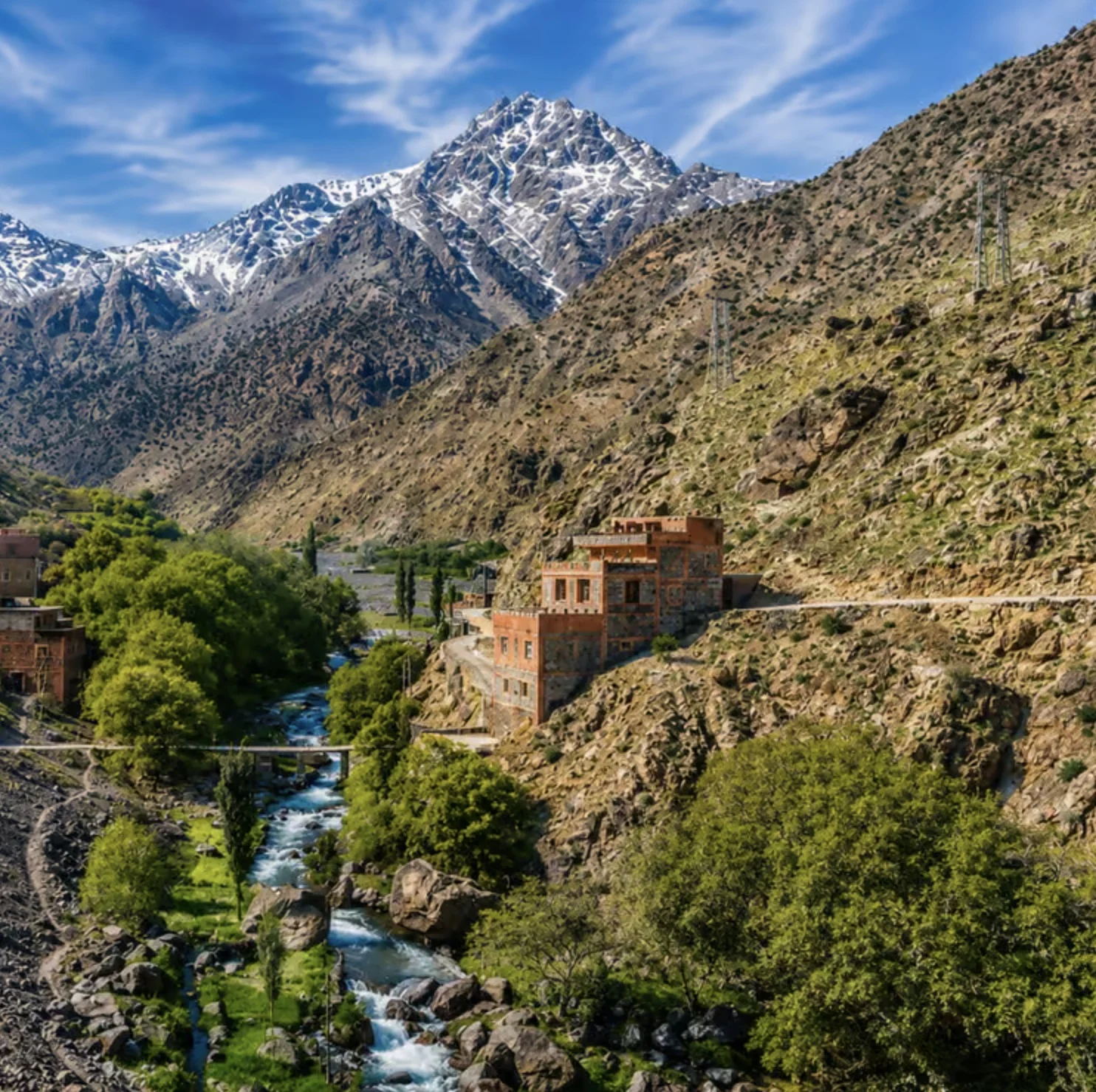
Mount Toubkal, at 4,167m, is North Africa’s highest peak — and one of the more approachable major summits in the world for first-time high-altitude trekkers. Here’s what to actually expect if you’re considering it with Desert Marrakech Tours.
Do you need climbing experience?
No technical climbing skills are required for a standard-season ascent (roughly April–October). The route is a steep, sustained trekking path rather than a climb — no ropes or technical gear needed. In winter, snow and ice near the summit change that, requiring crampons, an ice axe, and prior experience with winter mountain conditions.
How hard is it, really?
The summit day is the main challenge: several hours of steady, steep walking starting before dawn, often in cold, thin air. Good general fitness matters more than specific mountaineering experience. Most trekkers without prior high-altitude experience manage it, though the altitude itself (headaches, breathlessness) can catch first-timers off guard.
Where do you sleep?
The standard route overnights at the Toubkal Refuge, a mountain hut at around 3,207m, before the early summit push the next morning. It’s simple, dormitory-style accommodation — not luxury, but sheltered and warm enough with the right sleeping gear.
2 days or longer?
A 2-day trek gets you to the summit and back efficiently, ideal if your time in Morocco is limited. Longer treks — like a 5-day route through the Azzaden Valley’s Amazigh villages before the summit — trade speed for a deeper look at High Atlas village life along the way.
What to pack: sturdy hiking boots (already broken in, not new), warm layered clothing, a headlamp for the pre-dawn start, sunscreen, and trekking poles if you use them.

